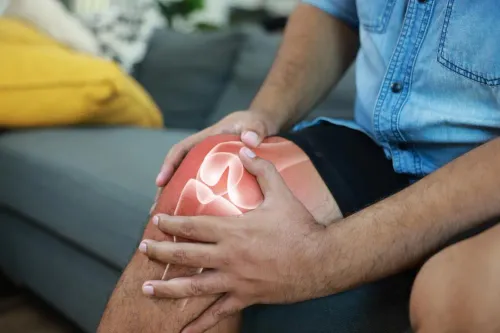
A first knee cap dislocation can be alarming. The kneecap may suddenly shift out of position during a twist, fall, awkward landing, or sports movement. Even when it returns to its normal position without a procedure, the knee can remain swollen, painful, and uncertain for days or weeks.
Recovery should focus on more than waiting for discomfort to disappear. The structures around the kneecap need time to heal, while the muscles responsible for controlling the knee need to regain strength and coordination.
The First Few Days Matter
Immediately after an acute knee injury, forcing activity through substantial pain is rarely useful.
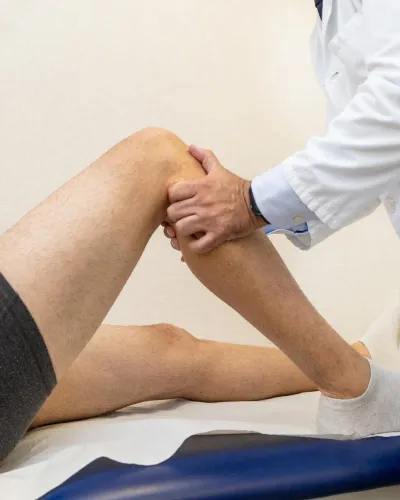
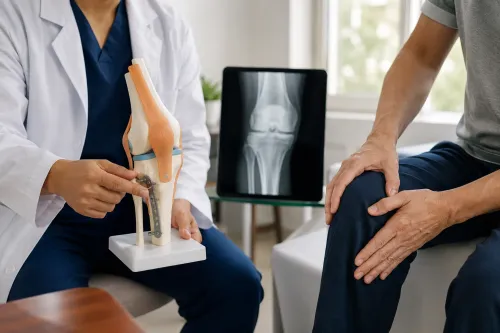
Medical assessment can determine whether the kneecap is correctly positioned and whether another injury has occurred. Depending on the findings, X-rays or MRI may be recommended.
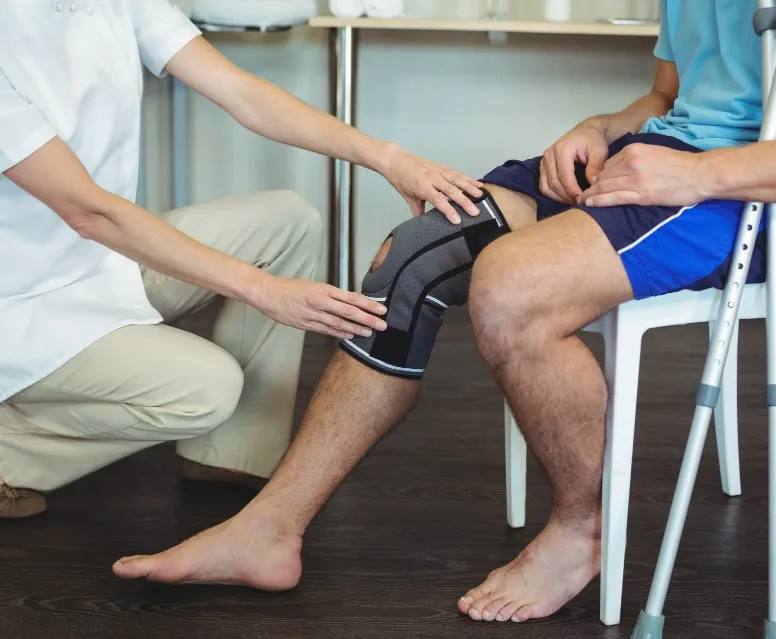
Early treatment may involve appropriate support, temporary activity modification, swelling management, and controlled movement.
The exact approach varies because a simple first-time dislocation is different from a dislocation accompanied by fracture or cartilage damage.
Why the Knee Can Feel Unstable Afterwards
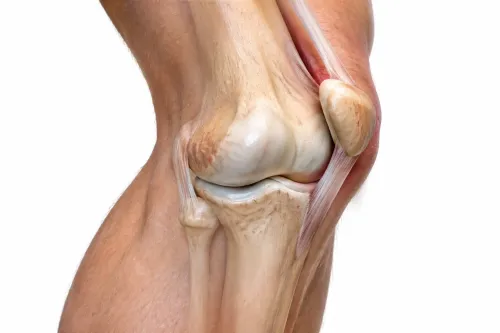
When the kneecap dislocates outward, the tissues on the inner side of the knee can be stretched or torn. The medial patellofemoral ligament is particularly important in this setting.
Muscle inhibition caused by pain and swelling can also reduce knee control.
As a result, patients may feel nervous about bending the knee even after the acute pain improves.
Rehabilitation Should Progress Gradually
Physiotherapy after a knee cap dislocation may focus initially on restoring safe movement and muscle activation.
As recovery advances, exercises can target:
- Quadriceps strength
- Hip muscle strength
- Balance
- Lower-limb control
- Functional movement
- Landing technique
- Sport-specific preparation
Progression depends on symptoms and functional recovery.
Someone returning to office work has very different requirements from a football player preparing for competitive matches.
Avoid Returning Too Quickly
One common mistake is assuming that walking without pain means the knee has completely recovered.
Sports can involve sudden forces that ordinary walking does not reproduce. Sprinting, jumping, pivoting, rapid deceleration, and contact may challenge kneecap stability.
Before returning to demanding activity, patients should have adequate movement, strength, control, and confidence.
What If the Kneecap Slips Again?
Recurrent instability deserves further evaluation.
If the kneecap repeatedly dislocates or partially slips, there may be persistent ligament insufficiency or anatomical factors affecting patellar tracking.
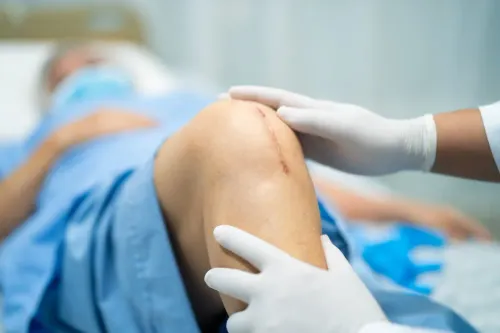
In these circumstances, imaging and detailed examination can help determine why recurrence is occurring. Some patients may require procedures such as MPFL reconstruction, while others may need a different treatment strategy based on their anatomy.
For active adults and athletes in Mumbai, access to sports injury assessment can be useful when deciding how quickly to progress from rehabilitation back to training. Dr Pranjal Kodkani evaluates knee cap instability with a joint-preservation perspective, considering both the immediate injury and factors that may influence future joint health.
A first dislocation does not necessarily lead to surgery or permanent instability. What matters is identifying associated damage, completing appropriate rehabilitation, and reassessing the knee if instability persists.
Keywords