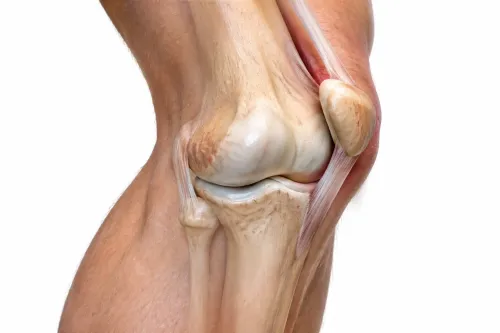
The posterior cruciate ligament, commonly called the PCL, is one of the major stabilising ligaments inside the knee. It helps control backward movement of the shin bone relative to the thigh bone. A PCL injury can occur during sports, a fall onto a bent knee, a road accident, or a forceful impact to the front of the shin.
Not every PCL injury requires surgery. However, when significant instability persists or the ligament injury occurs with damage to other structures, PCL reconstruction may become an important treatment consideration.
How a PCL Injury Can Affect the Knee
Some people with a PCL injury can still walk reasonably well, particularly after the initial swelling settles. This can make the injury appear less serious than it actually is.
Symptoms may include:
- Pain at the back or inside of the knee
- Swelling after the injury
- Difficulty descending stairs
- A feeling that the knee is unstable
- Reduced confidence while running
- Difficulty changing direction
- Discomfort during demanding sports activity
Athletes may notice the problem most clearly when trying to return to training. A knee that feels acceptable during normal walking may still lack the stability required for sprinting, jumping, pivoting, or contact sports.
When Is PCL Reconstruction Considered?
Treatment depends on the grade of injury, symptoms, activity level, associated ligament damage, knee alignment, and response to rehabilitation.
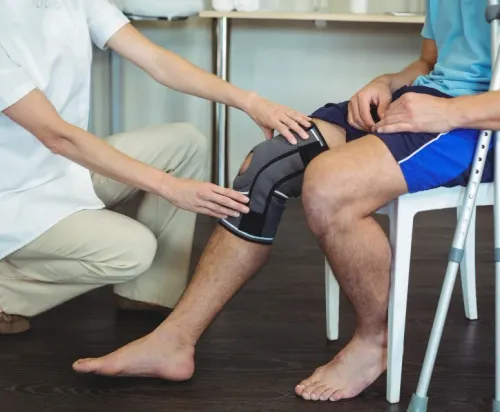
Some isolated PCL injuries can be treated without surgery using appropriate bracing, physiotherapy, muscle strengthening, and gradual return to activity.
Reconstruction may be evaluated when there is substantial instability, persistent functional difficulty, a high-grade injury, combined ligament damage, or inability to return safely to the patient's required activity level.
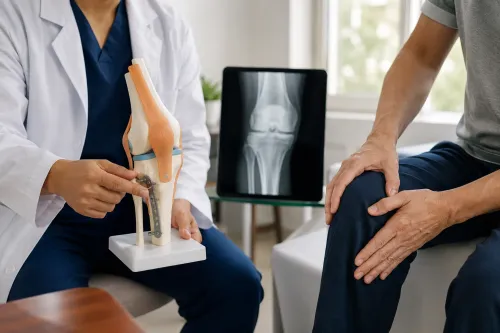
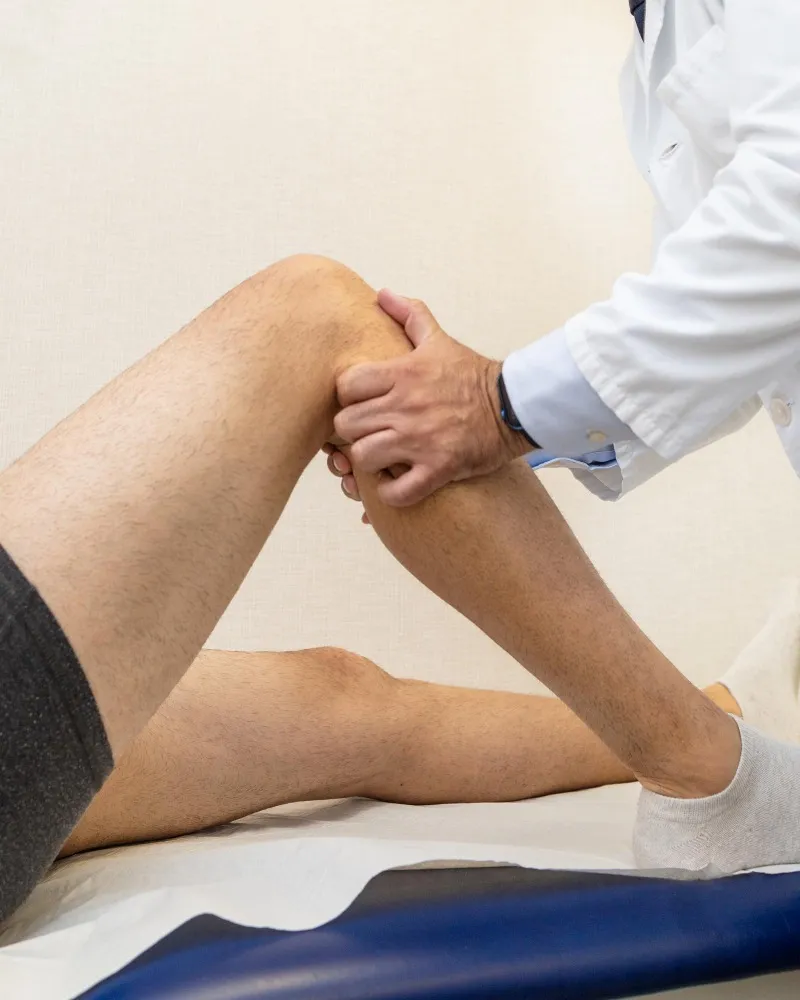
The decision should therefore be based on the complete knee assessment rather than the MRI report alone.
What Happens During Reconstruction?
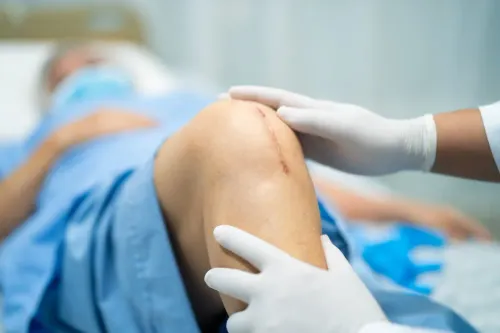
During PCL reconstruction, the damaged ligament is generally replaced using a graft. The objective is to restore stability while respecting the anatomy and biomechanics of the knee.
Surgical planning can involve assessment of:
- PCL injury pattern
- Other ligament injuries
- Meniscus condition
- Cartilage condition
- Knee alignment
- Previous surgery
- Sporting requirements
- Overall joint health
This is particularly relevant in complex sports injuries where more than one structure may have been damaged.
Rehabilitation Is a Major Part of Recovery
Successful treatment does not finish when surgery is completed. Rehabilitation is essential because the reconstructed ligament needs protection while strength, movement, balance, and neuromuscular control are gradually restored.
Early rehabilitation may focus on controlling swelling and regaining appropriate movement. Later stages can introduce progressive strengthening, balance exercises, functional training, and eventually sport-specific work.
Returning to sport should be based on recovery milestones rather than simply the number of weeks or months since surgery.
Why Specialist Assessment Matters
Persistent knee instability can change movement patterns and place additional stress on other structures. For physically active people, understanding the exact cause of instability is particularly important before returning to demanding activity.
In Mumbai, patients with sports-related knee injuries may seek evaluation from specialists experienced in arthroscopy, ligament reconstruction, and joint preservation. Dr Pranjal Kodkani's practice focuses on assessing the injured joint in relation to the patient's activity requirements rather than treating an imaging finding in isolation.
A carefully assessed PCL injury may be suitable for rehabilitation alone, while another may require reconstruction. Establishing that distinction is the first step toward an appropriate recovery plan.
Keywords