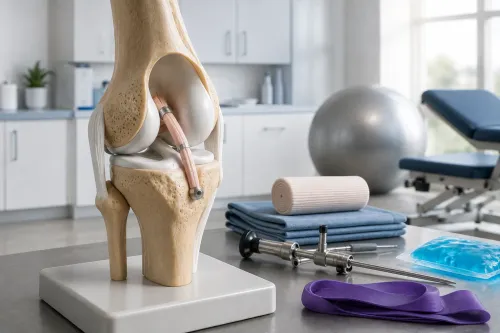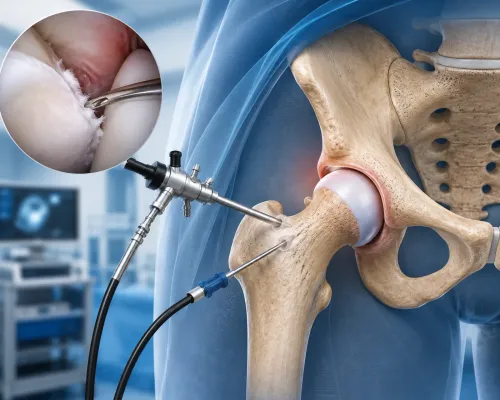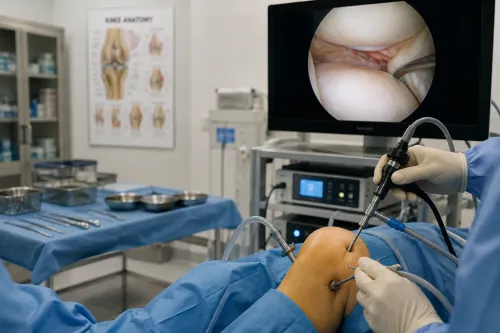


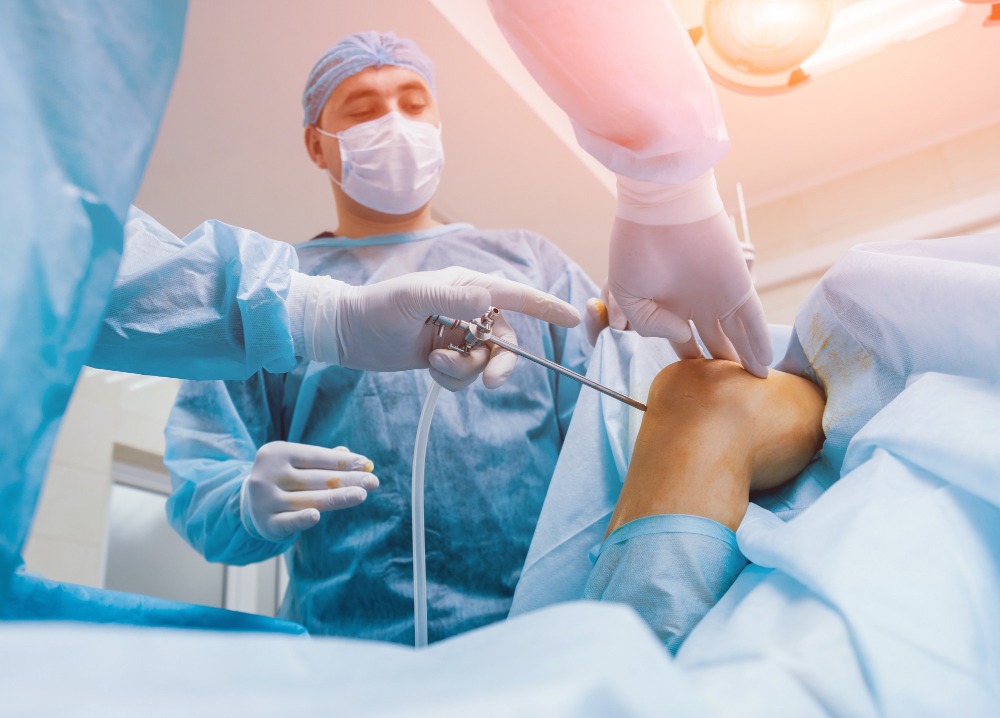
The meniscus acts as a natural cushion between the bones of the knee, helping absorb shock and provide stability during movement. An injury to this cartilage can make simple activities like walking, climbing stairs, or squatting painful. While some minor tears heal with conservative care, others may require Meniscus Surgery to restore proper knee function.
Signs That Shouldn't Be Overlooked
A meniscus tear doesn't always cause severe pain immediately. However, these symptoms often indicate that the knee needs professional evaluation:
- Pain while twisting or bending the knee
- Swelling that develops within a day or two
- Locking or catching sensations
- Difficulty fully straightening the knee
- A feeling that the knee is unstable
Ignoring these symptoms may allow the damage to worsen over time.
How Is a Meniscus Tear Treated?
Treatment depends on factors such as the location of the tear, its severity, age, and activity level. Whenever possible, surgeons aim to preserve the meniscus because it plays a vital role in protecting the knee joint.
Depending on the condition, treatment may involve repairing the torn tissue or removing only the damaged portion while preserving as much healthy cartilage as possible.
Recovery Takes Teamwork
Healing doesn't end after surgery. A successful outcome depends on following a structured rehabilitation program that focuses on restoring:
- Knee strength
- Flexibility
- Balance
- Functional movement
With proper guidance, many patients gradually return to work, exercise, and recreational activities while reducing the risk of future knee problems.
Healthy knees support an active life, and early treatment can make all the difference. If persistent knee pain or locking is affecting your daily routine, consult Dr. Pranjal Kodkani for a thorough evaluation. Advanced treatment options are available in Mumbai, helping patients recover with confidence and return to their normal activities in Mumbai.