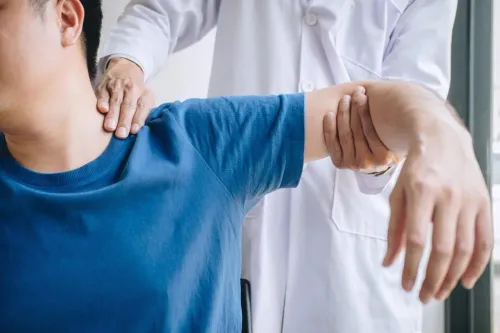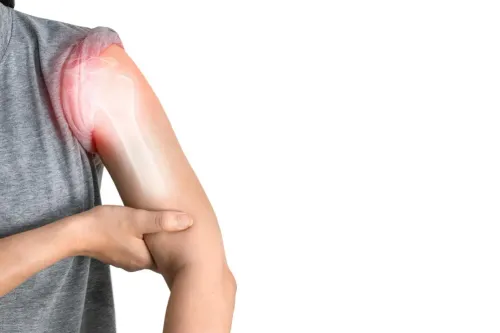
Despite its name, tennis elbow is not limited to tennis players. It can affect gym users, racquet-sport players, manual workers, professionals who repeatedly use their hands, and people performing repetitive gripping tasks.
Pain is typically felt around the outer side of the elbow. It may initially seem minor but can become frustrating when ordinary activities such as lifting a bottle, carrying a bag, shaking hands, or gripping sports equipment trigger discomfort.
Why Does Tennis Elbow Develop?
Tennis elbow is commonly associated with overloading of the tendons that attach near the outer elbow.
Repeated wrist extension and gripping can expose these tissues to more load than they are currently able to tolerate.
This may occur after:
- Sudden increase in training
- Repetitive racquet use
- Heavy gym exercises
- Frequent lifting
- Manual occupational work
- Technique changes
- Returning to activity too quickly
The condition is therefore not simply an inflammation that must be “rested away.” Tendon loading capacity is an important part of the problem.
Complete Rest May Not Be the Best Long-Term Strategy
Stopping painful activity temporarily may reduce symptoms, but returning immediately to the same workload can cause the pain to recur.
Rehabilitation usually requires gradual loading.
Exercises can be selected to improve the capacity of the forearm muscles and tendons while avoiding sudden overload. Technique, training volume, equipment, and workplace demands may also need attention.
The appropriate load should be progressive rather than aggressively painful.
Could It Be Something Else?
Not every outer-elbow pain is tennis elbow.
Nerve irritation, joint conditions, referred pain from the neck, and other tendon problems can sometimes create similar symptoms.
Assessment becomes more important when there is marked weakness, numbness, substantial loss of movement, trauma, or symptoms that fail to improve with an appropriate treatment programme.
What Treatment Options May Be Used?
Management is usually tailored to the duration and severity of symptoms.
It may include:
- Activity modification
- Structured physiotherapy
- Progressive tendon loading
- Technique correction
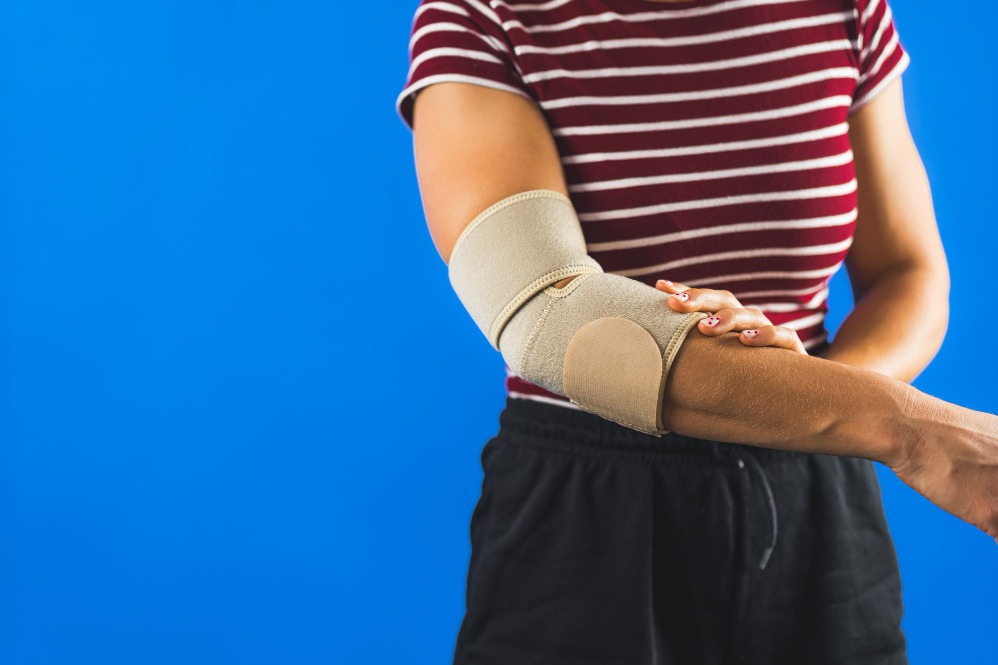
- Temporary bracing in selected patients
- Medication when appropriate
- Selected injection-based treatments after assessment
Surgery is not the first-line treatment for most people with tennis elbow. It may be considered in a smaller group with persistent symptoms despite a substantial period of appropriate conservative management.
Athletes Need a Workload Plan
Pain relief alone does not mean the tendon is ready for the previous training volume.
A racquet-sport player returning to practice may need gradual increases in hitting duration and intensity. Gym users may need to modify gripping loads before progressing back to heavier pulling exercises.
This staged approach reduces the abrupt jump from rehabilitation to full sporting demand.
Mumbai's active population includes recreational athletes, fitness enthusiasts, office professionals, coaches, and competitive sportspeople with very different causes of elbow overload. Dr Pranjal Kodkani's sports injury practice evaluates persistent elbow pain in relation to the patient's activity pattern rather than relying solely on the location of pain.
Recurring tennis elbow should prompt a closer look at load, technique, tendon capacity, and the accuracy of the diagnosis. Correcting these factors can be just as important as controlling the initial discomfort.
Keywords